

How External Wall Thermal Insulation Helps Reduce Energy Bills

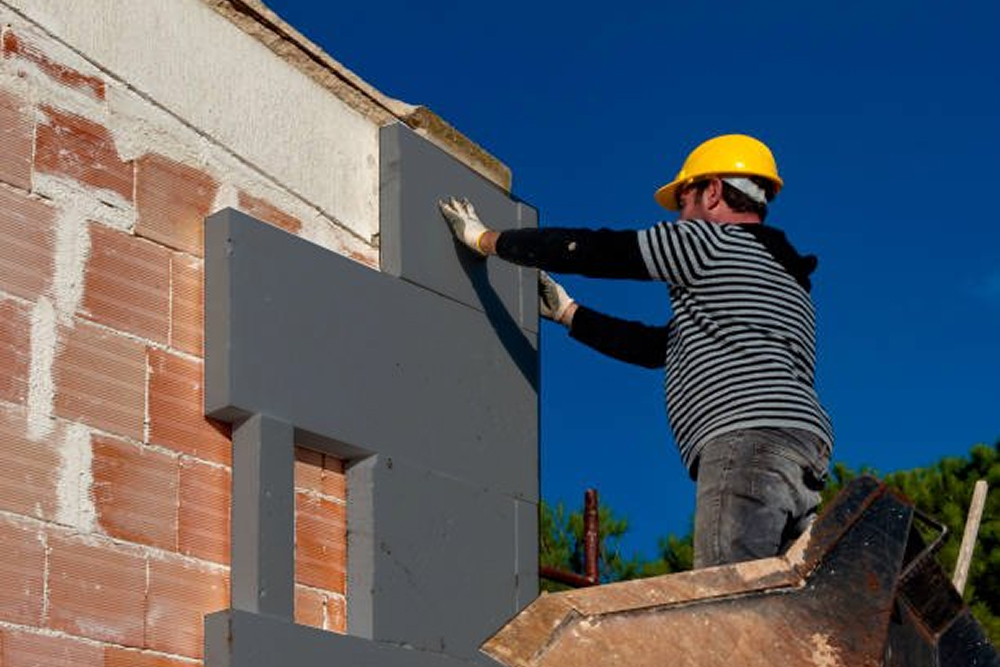
External Wall Insulation is one of the most effective ways to increase energy efficiency in a home, leading to substantial savings on energy bills. This technology works by providing an extra layer of protection against heat loss in the winter and heat gain in the summer.
1. Preventing Heat Loss in Winter
One of the primary functions of External Wall Insulation is to minimize heat loss during the colder months. Without sufficient External Wall Insulation, heat generated by your heating system escapes easily through the exterior walls of your home. This means that your heating system needs to work harder and for longer periods to maintain a comfortable indoor temperature. The harder your heating system works, the more energy it consumes, and consequently, the higher your energy bills.
External Wall Insulation acts as a barrier between the cold outdoor air and the warm air inside your home. It reduces the rate at which heat escapes, ensuring that the warmth generated by your heating system stays inside for longer. This minimizes the need to constantly turn on the heater or increase the thermostat, as the temperature inside remains stable and comfortable for a longer period of time. As a result, the energy consumption required to maintain warmth is significantly reduced, directly lowering heating costs.
2. Reducing the Load on Heating Systems
A well-insulated home requires less work from your heating system to maintain the desired indoor temperature. When External Wall Insulation is applied to the exterior walls, it keeps the indoor temperature more stable by slowing down the transfer of heat. As a result, your heating system doesn’t need to operate as often or as intensely to compensate for heat loss.
This reduction in workload for your heating system translates directly into energy savings. Since External Wall Insulation helps keep your home warm longer, your heating system runs less frequently, consuming less energy and reducing the overall demand on your energy supply. This not only saves money on fuel or electricity but also extends the lifespan of your heating system by reducing wear and tear.
3. Preventing Cold Drafts and Hot Spots
Cold drafts and hot spots are common issues in homes with poor External Wall Insulation, and they contribute to discomfort as well as higher energy bills. Cold drafts occur when cold air enters the home through gaps in the walls, windows, or doors, forcing your heating system to work harder to counteract the influx of cold air. Hot spots, on the other hand, occur when some areas of the home are warmer than others, causing the heating system to run longer in an attempt to balance the temperature.
External Wall Insulation prevents cold air from entering and maintains a more even distribution of heat throughout the home. By reducing these drafts and eliminating hot spots, External Wall Insulation ensures that your heating system doesn’t need to work as hard or for as long. This balanced indoor temperature helps your heating system operate more efficiently, reducing energy consumption and ultimately lowering heating bills.
4. Preventing Heat Gain in Summer
In addition to reducing heat loss in the winter, External Wall Insulation also plays a crucial role in preventing heat gain during the summer months. During hot weather, heat from the outside environment can easily enter the home, raising the indoor temperature and making air conditioning systems work harder to maintain a comfortable environment. This increased demand on air conditioning results in higher energy consumption and more expensive cooling costs.
External Wall Insulation, especially when applied to exterior walls, acts as a barrier that prevents external heat from penetrating into the home. External Wall Insulation reduces the amount of heat that enters the building, helping to maintain a cooler indoor temperature. This reduces the need for air conditioning, allowing your cooling system to run less frequently and consume less energy. The result is a significant reduction in energy costs during the summer months, when air conditioning bills can otherwise skyrocket.
5. Improved Building Envelope Efficiency
The building envelope refers to the exterior components of the home, such as walls, windows, and the roof, that separate the interior from the outside environment. The efficiency of this envelope is critical for controlling the flow of heat, air, and moisture into and out of the home. When External Wall Insulation is added to the building envelope, it significantly improves the overall efficiency of the home.
External Wall Insulation enhances the performance of the entire building envelope by creating a continuous, uninterrupted layer of thermal protection. This prevents the escape of warm air in winter and the intrusion of hot air in summer. With a more efficient building envelope, the home requires less energy to maintain a comfortable indoor temperature. This results in lower heating and cooling costs over time, as the building envelope works more effectively to manage temperature control.
External Wall Insulation is a powerful tool for reducing energy bills by enhancing the thermal efficiency of your home. By preventing heat loss in the winter, reducing heat gain in the summer, and improving the overall performance of your heating, cooling, and other systems, External Wall Insulation minimizes energy consumption. This leads to substantial savings on energy bills, making External Wall Insulation a smart investment for homeowners looking to improve comfort, save money, and contribute to a more sustainable future. The benefits of External Wall Insulation are long-term and multifaceted, ultimately reducing your energy costs while increasing the overall value and comfort of your home.